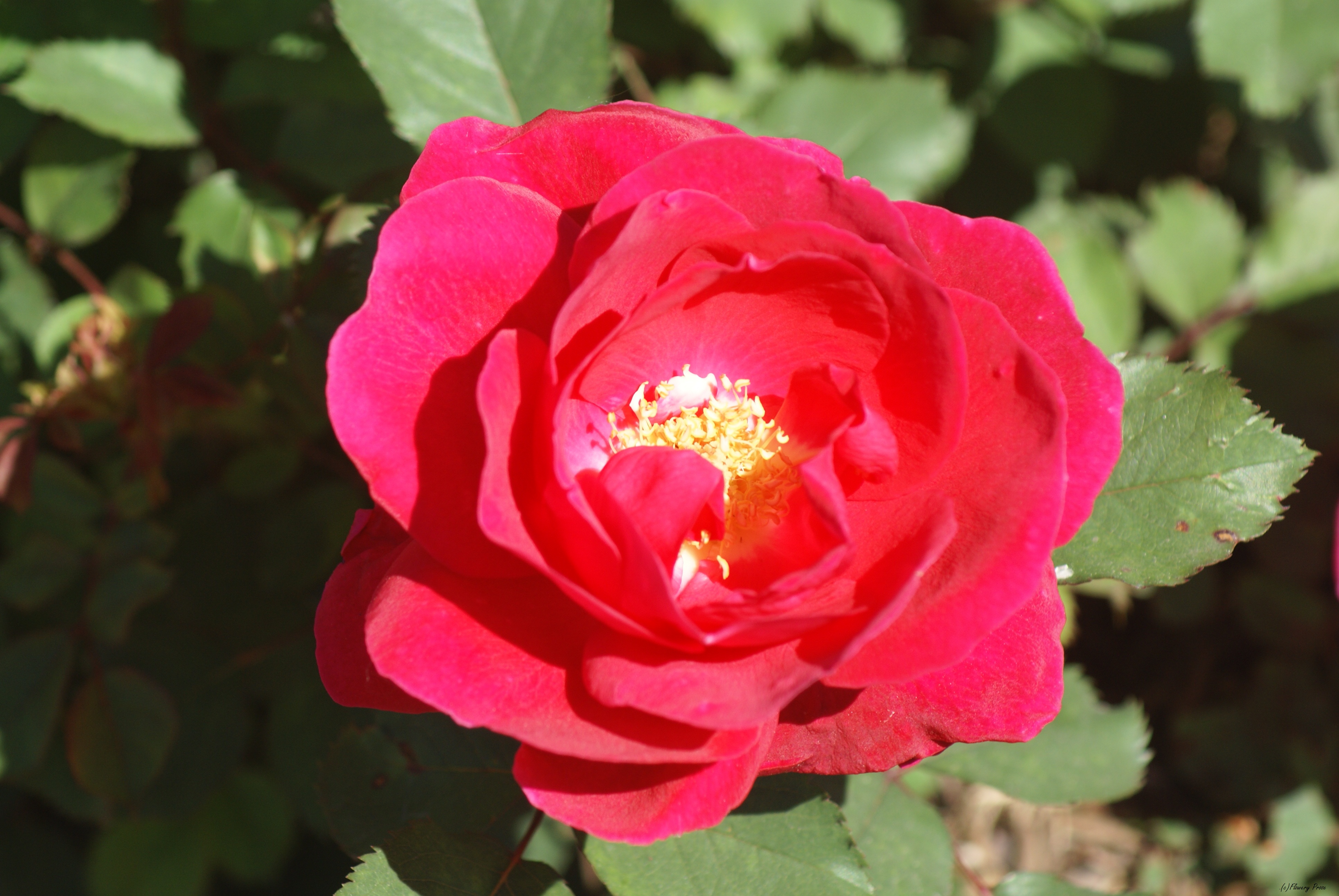
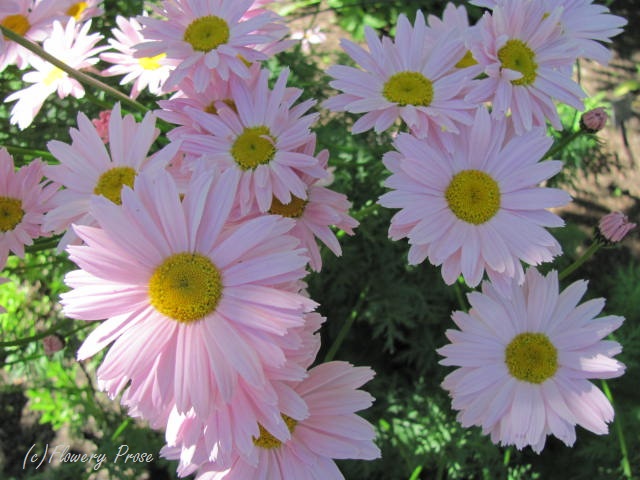
(Photo credit: R. Normandeau)
It’s Valentine’s Day, and that may mean you’re either giving or receiving flowers…and I’m sure more than a few marriage proposals and weddings are happening around the world today as well. What do the flowers in all those beautiful bouquets signify?
The Language of Flowers (floriography) is a folklore tradition that became popular during the Victorian era. As part of the ritual of courtship, flowers were used by lovers to bear messages, reveal secrets, or to express emotion and depth of feeling. Matching the appropriate flower to the desired sentiment was critical – a mistake could be disastrous for a budding relationship! (Check out the “ones to avoid” here – just scroll down to the bottom of the list). Adding to the uncertainty is the fact that none of the many floriography “dictionaries” were truly inclusive, so it was easy to find several different meanings for any one flower. Superstition and lack of universality aside, many couples and their florists still consider the Language of Flowers when choosing flowers for weddings, anniversaries, and other romantic occasions.
My bridal bouquet was a combination of dark red roses, English ivy, and white gypsophilia. I admit I wasn’t following the Language of Flowers when I decided on red roses – they’re a personal favourite, and they fit with our wedding’s colour scheme. But…if you take a look at this compilation of flowers and their meanings, you’ll see that I made a great choice! 🙂
What is your Valentine’s Day bouquet saying to you – or to your loved one? If you’re married (and had flowers at your wedding), what did you select for your bouquets and floral decorations? Were you thinking about the Language of Flowers when you chose your blooms?


 Flowery Prose.